The most useful fitness goal may not be a heavier bench press or a smaller waist. It may be having enough strength to lift a suitcase at 70, enough power to catch yourself after a stumble, and enough stamina to explore a new city without planning the day around fatigue.
That is the promise of muscle longevity training: building a reserve of strength, movement skill, and work capacity that remains useful later. It still supports muscle gain and performance, but measures success by more than appearance.
This guide explains what matters and how to build a realistic weekly plan. It is general education; anyone returning after a long break or managing a medical condition should seek appropriate individualized guidance.
What Does Muscle Longevity Actually Mean?
Muscle longevity is the long-term preservation of muscular strength, power, mass, and function. These qualities overlap, but they are not identical:
- Muscle mass is the amount of skeletal muscle you carry.
- Strength is your ability to produce force.
- Power is how quickly you can express that force.
- Muscular endurance is your ability to repeat or sustain an effort.
- Function is the real-world outcome: standing, carrying, climbing, reaching, reacting, and moving confidently.
Think of it as building a retirement account for physical ability. Every well-executed squat, row, carry, walk, and recovery day makes a small deposit. Aging, illness, inactivity, and injury can create withdrawals. The objective is not to prevent every decline; it is to enter later life with more capacity than everyday living demands.
Why Muscle Becomes a Health Asset With Age
Skeletal muscle does far more than move weight in a gym. It helps manage blood glucose, supports joints, contributes to balance, and supplies the force required for daily tasks. Resistance exercise also loads bones and connective tissues, giving them a reason to adapt.
Adults commonly become less active with age, and illness or bed rest can accelerate loss of capacity. Gradual age-related loss of muscle and function is often described as sarcopenia. Resistance training can improve strength and physical function across a wide range of ages; the entry point simply needs to match current ability and recovery.
Strength provides a margin of safety. If rising from a low chair requires nearly all the force someone can produce, it is demanding. Training can make the same chair a submaximal effort. That gap between maximum ability and daily demand is physical reserve.
The Five-Part Physical Reserve Framework
An effective healthy aging workout plan develops five complementary qualities. None needs to be elite. Together, they create a capable and adaptable body.
| Training quality | What it protects or improves | Useful training methods | Everyday payoff |
|---|---|---|---|
| Strength | Force production and lean tissue | Squats, hinges, presses, rows | Easier stairs, lifting, and household tasks |
| Power | Fast force and reaction ability | Fast sit-to-stands, medicine-ball throws, controlled jumps | Recovering from a misstep; moving quickly |
| Aerobic fitness | Heart, lungs, and repeatable work | Brisk walking, cycling, swimming | More energy for travel, errands, and recreation |
| Mobility and control | Usable range of motion | Loaded mobility, full-range lifts, controlled rotations | Reaching, turning, and changing position comfortably |
| Balance and coordination | Stability and movement confidence | Split stances, single-leg work, carries | Navigating curbs, uneven ground, and crowded spaces |
1. Train the movements life keeps asking for
Organize exercise by movement rather than body part. A durable program includes a squat or step, hinge, push, pull, carry, single-leg work, and trunk control.
There is no mandatory lift. A box squat may fit better than a barbell back squat; a trap-bar deadlift, kettlebell deadlift, or cable pull-through can all train the hinge. Even machines are useful when they allow safe, consistent progression.
2. Preserve power before you notice it is missing
Power often receives less attention than strength, although daily life sometimes demands a quick response. You may need to step rapidly when a dog crosses your path or move an object before it falls.
Power work need not mean risky high-impact training. Depending on ability, it might include a fast chair stand, light kettlebell swing, medicine-ball throw, or quick low step-up. The resistance should be light enough to move crisply and with control.
Place power exercises near the beginning of a session, after warming up but before fatigue. Two or three sets of three to five quality repetitions are often enough. Stop when speed or technique noticeably deteriorates.
3. Use mobility, not flexibility, as the target
Passive flexibility describes how far a joint can be moved; mobility adds active control. Full-range strength exercises can develop mobility when the range suits the person. Split squats combine hip mobility and leg strength, while rows, presses, and carries train the shoulders under load.
A short daily practice can address commonly stiff areas, but endless stretching is unnecessary. Try five minutes of ankle rocks, hip rotations, thoracic rotations, and controlled shoulder circles. Then reinforce those ranges during resistance training.
4. Keep an aerobic engine
Muscles cannot perform repeated work without cardiovascular support. Aerobic exercise improves the ability to deliver and use oxygen, helps recovery between efforts, and expands the range of activities you can enjoy.
Most cardio can be conversational: a pace at which speaking in sentences remains possible. Walking, cycling, rowing, and swimming all count. Hard intervals are optional; establish a base first, separate demanding sessions when possible, and increase volume gradually.
5. Practice balance under realistic conditions
Balance is not a switch that turns on at a certain age. It is a trainable interaction among vision, sensation, strength, coordination, and confidence.
Begin with a secure staggered stance, supported single-leg hold, slow march, or heel-to-toe walk near a stable surface. Progress by reducing support, adding movement, changing direction, or carrying a light load.
A Three-Day Muscle Longevity Training Plan
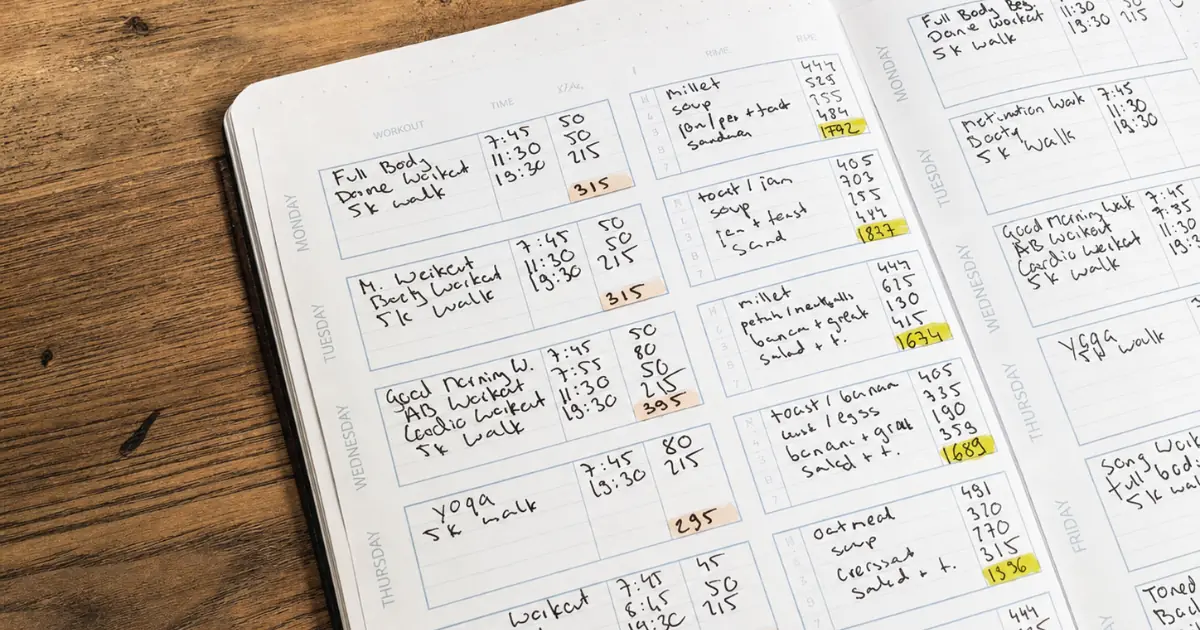
The following template suits a generally healthy adult who already understands basic exercise technique. Beginners can use fewer sets, lighter loads, and simpler variations. Rest roughly one to three minutes between strength sets, taking more time when needed to preserve form.
Monday: Strength and carrying capacity
- Goblet squat — 3 sets of 6–10 reps
- Dumbbell bench press — 3 sets of 6–10 reps
- Romanian deadlift — 3 sets of 6–10 reps
- One-arm cable row — 3 sets of 8–12 reps per side
- Farmer carry — 3 rounds of 20–40 metres
- Supported single-leg balance — 2 rounds per side
Wednesday: Power, unilateral strength, and cardio
- Fast bodyweight sit-to-stand — 3 sets of 4 reps
- Step-up — 3 sets of 6–10 reps per side
- Landmine or dumbbell press — 3 sets of 8–12 reps
- Lat pull-down — 3 sets of 8–12 reps
- Pallof press — 2–3 sets of 8–12 reps per side
- Easy-to-moderate cycling or walking — 20–30 minutes
Friday: Full-body strength and movement range
- Kettlebell deadlift — 3 sets of 5–8 reps
- Split squat — 3 sets of 6–10 reps per side
- Incline push-up — 3 sets, stopping 2–3 reps before failure
- Chest-supported row — 3 sets of 8–12 reps
- Suitcase carry — 3 rounds per side
- Calf raise — 2–3 sets of 10–15 reps
On two other days, add 25–45 minutes of conversational cardio. Use the remaining days for walks, recreation, mobility, or genuine rest.
| If your priority is… | Adjust the template by… | Avoid… |
|---|---|---|
| Building muscle | Adding 1–2 sets to major movements | Increasing every exercise at once |
| Improving stamina | Adding 5 minutes to one cardio session at a time | Turning every walk into an interval workout |
| Returning after a break | Starting with 1–2 sets and two weekly sessions | Testing old personal records |
| Supporting joint comfort | Using stable variations and tolerable ranges | Forcing painful positions |
| Saving time | Pairing non-competing exercises in supersets | Rushing heavy or technical lifts |
How to Progress Without Training Like Every Week Is a Test
Progressive overload means giving the body a gradually greater challenge. It does not mean adding weight every workout forever.
Use a rep range—such as 6–10—and select a load that leaves about two or three good repetitions “in reserve.” When you can complete all sets near the top of the range with stable technique, increase the load slightly and return to the lower end. You can also progress by improving range of motion, adding a set, moving with better control, or completing the same work with less fatigue.
Most sets do not need to reach muscular failure. Hard sets have a place, but longevity programming favors repeatable training over constant tests. Every four to eight weeks, review loads, repetitions, walking pace, carry distance, or chair stands—and notice whether stairs, groceries, and long days feel easier.
Recovery and Nutrition: The Adaptation Side of Training
Exercise is the request; recovery is when the body answers it. A program that exceeds your ability to recover will not become more effective simply because it looks ambitious on paper.
Protein supports muscle repair and remodeling. Rather than relying on one large serving at dinner, distribute protein-rich foods across meals. Individual needs differ with body size, age, diet, training, and health status, so people with kidney disease or other relevant conditions should seek clinical advice before making major dietary changes.
Chronic aggressive dieting can work against muscle retention and training quality. Build meals around protein sources, minimally processed carbohydrates, colourful produce, and suitable fats. Calcium and vitamin D deserve individual attention when bone health is a concern.
Adequate, consistent sleep supports recovery better than a cabinet of “longevity” supplements. Supplements may address a documented gap, but they cannot replace training, food, or sleep.
Common Approaches That Backfire
Copying your younger self
Returning to the loads, running volume, or weekly schedule you handled years ago ignores your current baseline. Start from what you can recover from now. Capacity can grow surprisingly quickly when ego does not set the starting point.
Avoiding challenging resistance
Using only very light weights may feel safe, but muscle needs a meaningful stimulus. “Challenging” is relative: the final repetitions should require focus while technique remains sound. Stable machines, supported exercises, and controlled tempos can create that stimulus without unnecessary complexity.
Ignoring pain signals
Effort, muscle fatigue, and mild discomfort are not identical to sharp, worsening, or unexplained pain. Do not use generic online advice to diagnose an injury. Modify the movement and seek qualified assessment when symptoms persist, worsen, or affect daily life.
Frequently Asked Questions
At what age should I begin muscle longevity training?
Now is generally more useful than waiting for a milestone birthday. Younger adults can build physical reserve, while older adults can improve current strength and function. The correct starting dose depends more on training history, health, and ability than chronological age alone.
Is two strength sessions per week enough?
Two full-body sessions can produce meaningful progress, particularly for beginners and busy adults. Three sessions make it easier to distribute volume. Consistency and appropriate effort matter more than forcing a schedule you cannot sustain.
Should adults over 60 lift heavy weights?
Age alone does not determine an appropriate load. Many older adults can benefit from progressively heavier resistance, but technique, health, experience, bone health, and supervision matter. “Heavy” should be defined relative to the individual, not by a number on the bar.
How quickly will I notice results?
Skill and confidence can improve within weeks, while visible muscle gain and substantial conditioning changes usually require longer. Look for early wins such as steadier technique, more repetitions at the same load, or less effort during daily tasks.
What if I have arthritis or osteoporosis?
Exercise may still be valuable, but generic programming may not address your risks. Work with a clinician or appropriately qualified exercise professional who can select tolerable movements, loading, impact, and balance challenges for your diagnosis.
Train for the Life You Want to Keep Living
Muscle longevity training is not an anti-aging hack. It is a long-term practice of keeping useful abilities above the demands of everyday life.
Build strength through repeatable movement patterns. Include small doses of power, balance, and mobility. Maintain an aerobic base. Eat and sleep well enough to adapt. Then progress patiently, using real-world capability—not exhaustion—as the final test.
The ideal program is not the one with the cleverest exercise list. It is the one that lets you carry your own bags, get up from the floor, join the hike, play with your family, and say yes to more of life—this year and many years from now.